Where stone, river, and power shaped France
Every chateau reveals a different chapter of ambition, artistry, diplomacy, and daily life along the Loire.
Table of Contents
From river frontier to royal valley
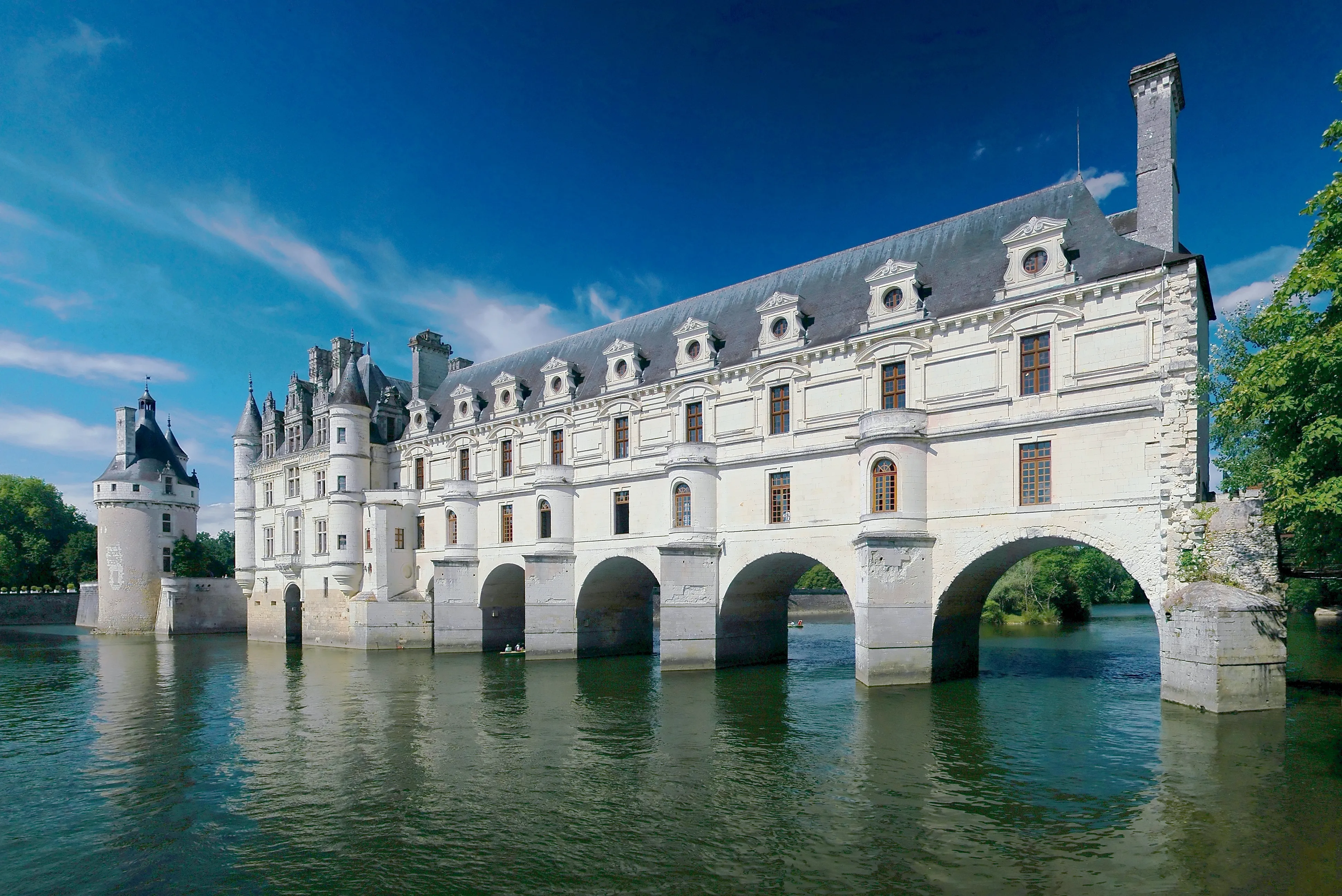
Long before visitors arrived with cameras and guidebooks, the Loire was a strategic artery: a route for trade, military movement, and political control. Early settlements grew around defensible heights and river crossings, and over time fortified sites multiplied across the region. What began as practical strongholds eventually evolved into symbols of legitimacy, because in medieval France, control of territory had to be visible in stone. The valley's geography helped shape this process: broad plains for agriculture, river access for supplies, and natural corridors linking the Atlantic world to inland power centers.
As dynasties changed and kingdoms consolidated, the Loire shifted from borderland to heartland. Nobles and monarchs invested heavily in residences that projected authority while also serving as administrative and social hubs. This gradual transformation explains why the valley holds such architectural variety today: defensive towers beside ceremonial facades, austere walls next to ornamental galleries, and quiet chapels near grand reception halls. The Loire did not become royal overnight. It became royal through centuries of layered decisions, each one leaving traces that visitors can still read in masonry, layout, and landscape.
Early fortresses and feudal landscapes
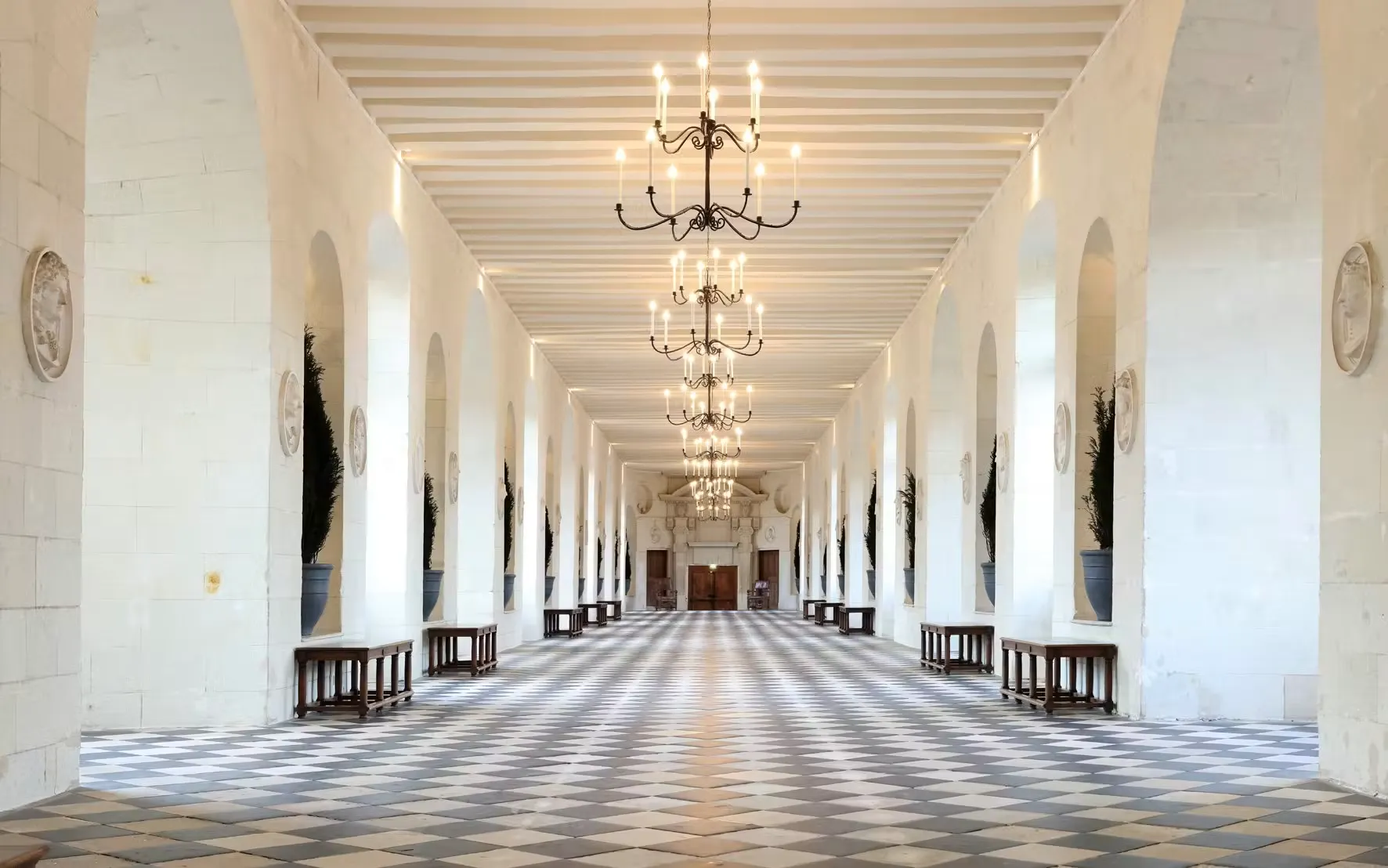
In the feudal era, castles across the Loire were above all instruments of control. Lords needed watch points, storage, and defensible compounds, and the resulting architecture reflected that necessity: thick walls, narrow openings, and commanding viewpoints over fields and river routes. Communities formed around these fortified sites, creating tightly linked worlds where military presence, agricultural production, and local justice were inseparable.
Even when later renovations softened medieval severity with larger windows and elegant courts, the original logic never fully disappeared. You can still sense it in elevated positions, gate alignments, and surviving towers. Visiting these sites today reveals a useful historical truth: the Loire's beauty was not originally designed for leisure. It emerged from structures built to endure uncertainty, then adapted over generations into settings of ceremony, diplomacy, and refined living.
Renaissance courts and Italian influence
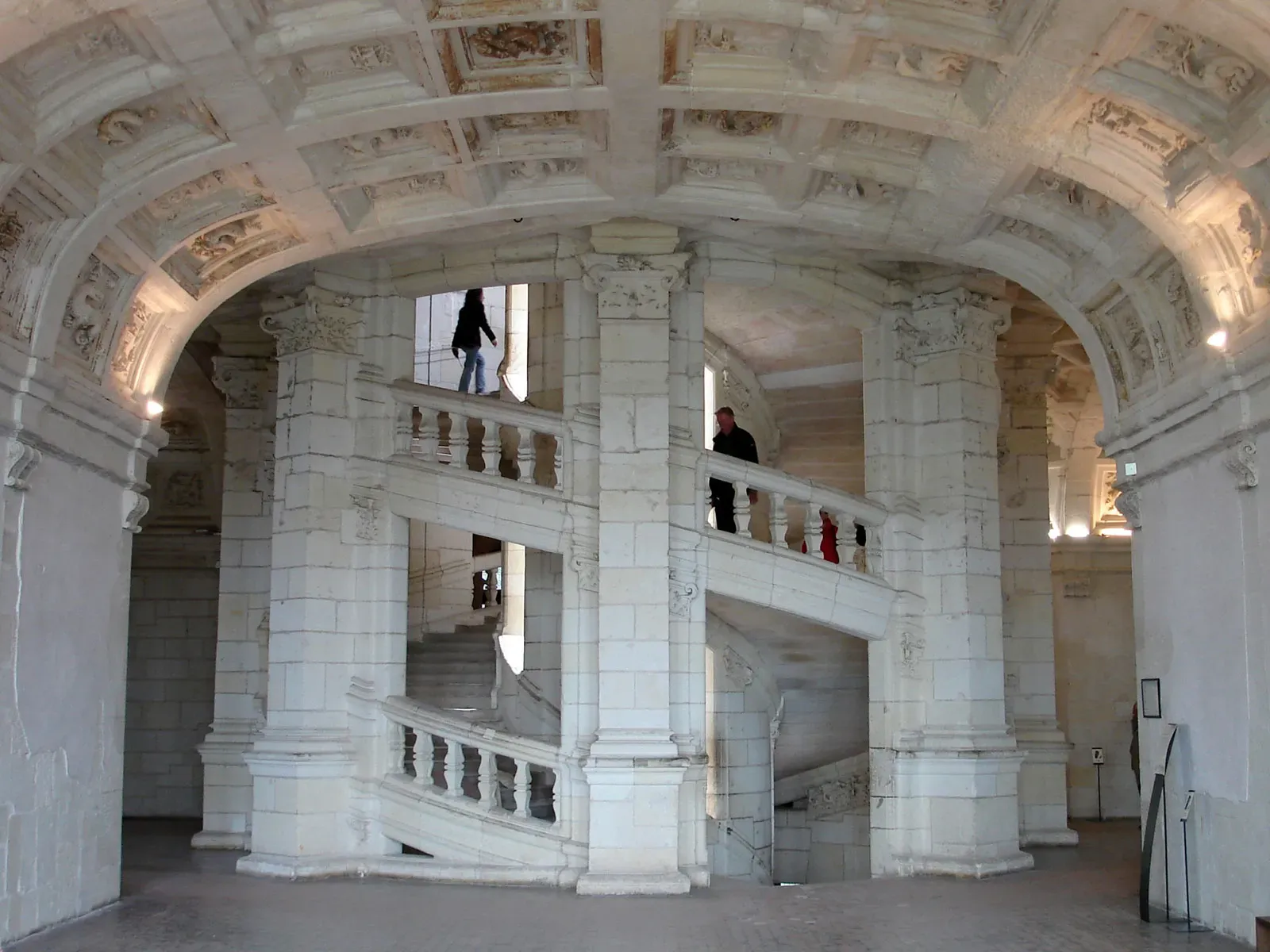
The sixteenth century reshaped the Loire dramatically. French rulers returning from Italian campaigns brought back artists, engineers, and new ideas about proportion, ornament, and domestic comfort. Castles that once prioritized defense began to absorb Renaissance ideals: open staircases, symmetrical wings, classical motifs, and curated perspectives toward gardens or riverbanks. Architecture became conversation, not only protection.
This shift was cultural as much as visual. Courts in the Loire became places where diplomacy, literature, music, and innovation intertwined. Artisans experimented with techniques in stone and wood, while patrons used design to communicate education, prestige, and modernity. For today's visitor, these transformations are especially striking because the old and new coexist in one place. A single walk may move from medieval mass to Renaissance elegance in minutes, making the Loire one of Europe's clearest lessons in architectural transition.
Women patrons and the art of power
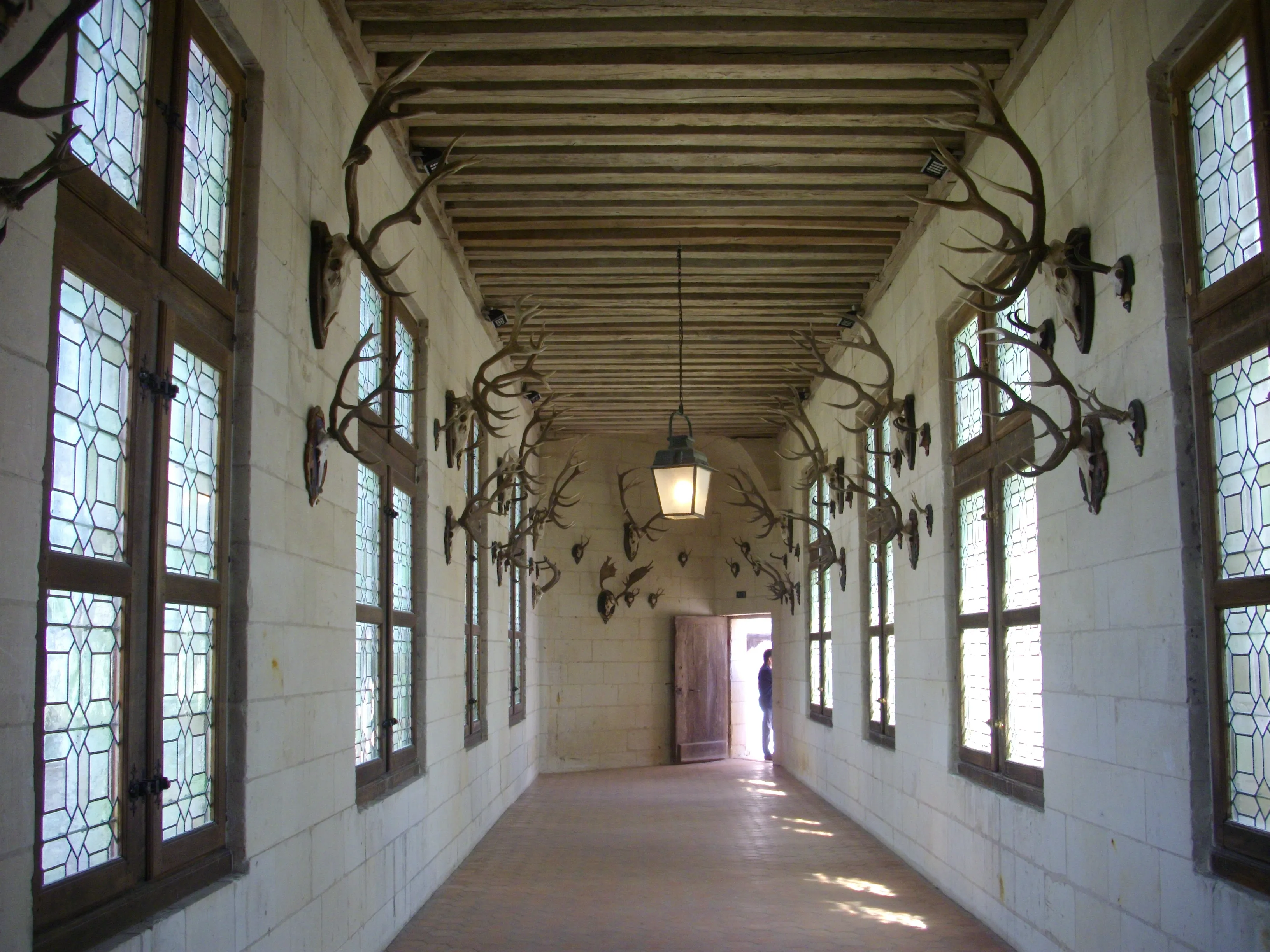
One of the Loire's most compelling historical threads is the role of influential women in shaping major chateaux. At sites such as Chenonceau, female patrons did far more than decorate rooms. They commissioned expansions, directed aesthetics, managed estates, and turned architecture into a language of legitimacy and identity. Through them, we see how power in early modern Europe was often negotiated through patronage, hospitality, and spatial control, not only through formal titles.
Their imprint remains visible in gallery lines, garden geometry, floral programs, and the social choreography of reception spaces. Beyond familiar legends, these interventions reveal strategic intelligence: how to project refinement without surrendering authority, how to host alliances while signaling independence. This perspective gives Loire history a richer texture, reminding visitors that castle narratives are not solely stories of kings and battles, but also of vision, diplomacy, and cultural leadership.
Religion, conflict, and political theater
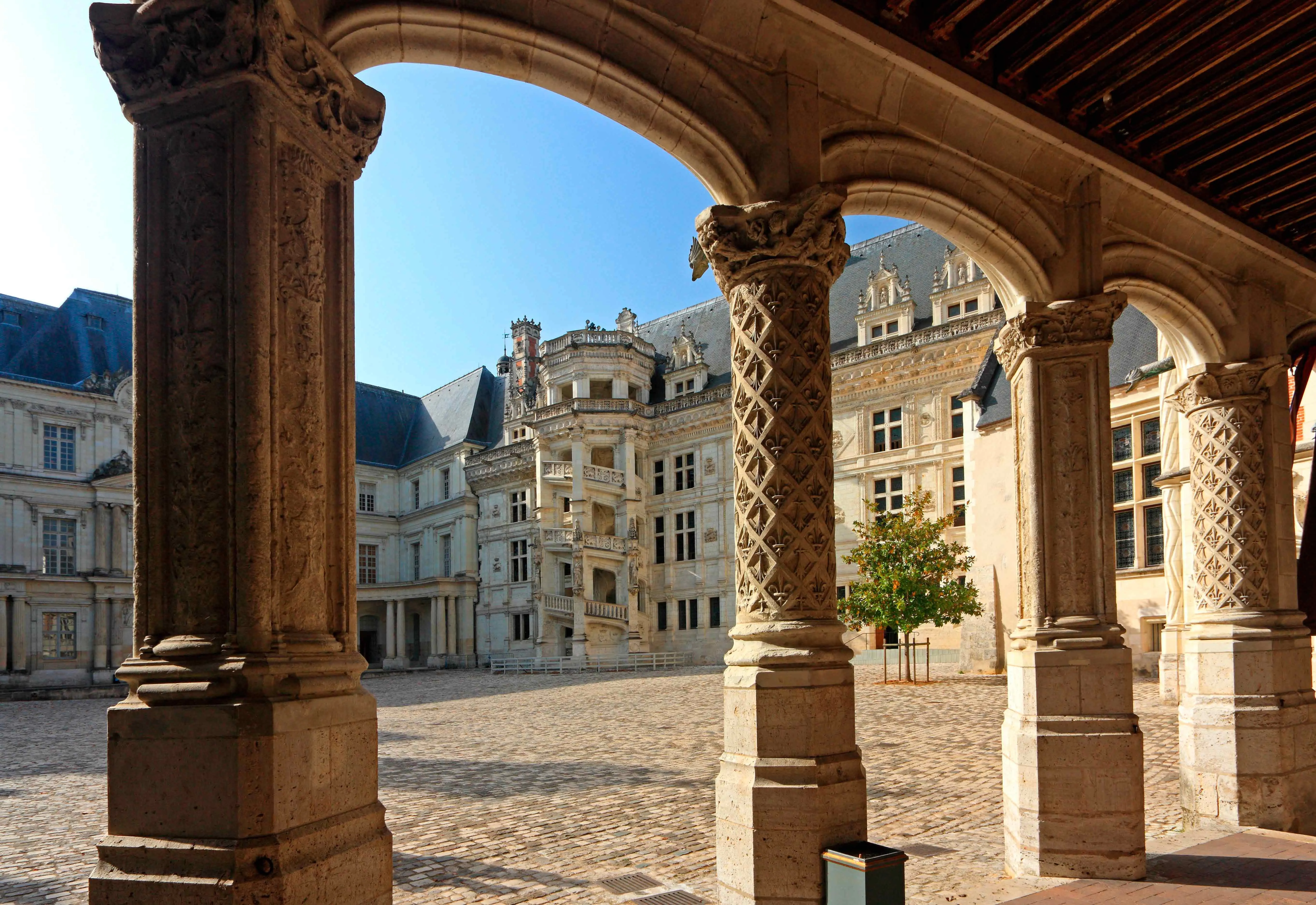
The Loire's splendor developed alongside periods of profound tension. During the French Wars of Religion, alliances shifted rapidly and noble households became political stages where loyalty, belief, and survival were constantly tested. Castles hosted negotiations, sheltered factions, and displayed strategic symbolism through ceremony and architecture. Public rituals, private councils, and carefully managed appearances all mattered.
Walking through these residences today, it is easy to focus on tapestries and decorative ceilings. Yet many rooms once held urgent decisions with national consequences. The region's history is therefore both graceful and dramatic: banquet tables beside military planning, chapel devotion beside court rivalry. Recognizing this duality helps modern travelers read the Loire more honestly, as a place where beauty and political pressure evolved side by side.
Gardens, science, and the Enlightenment spirit
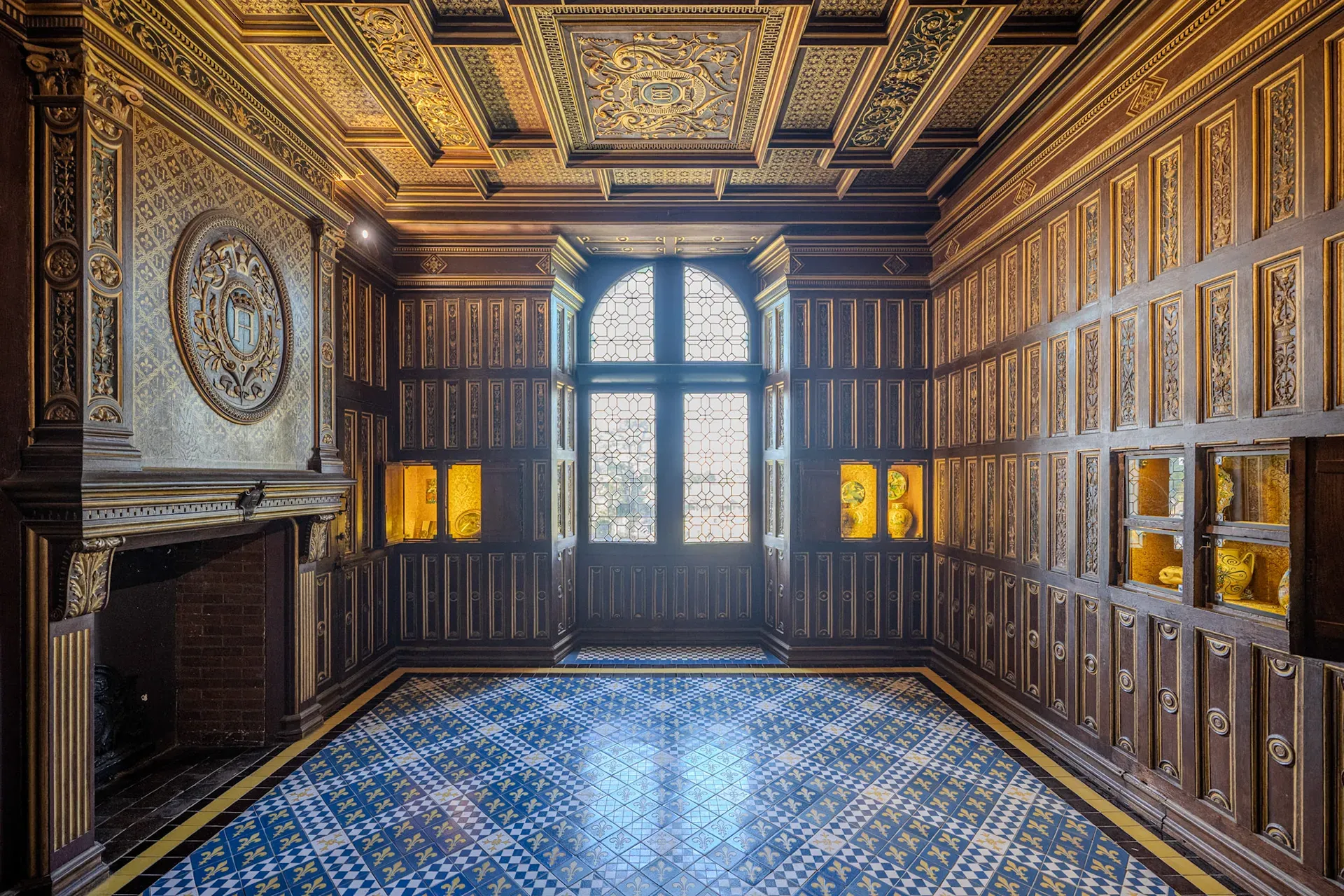
By the seventeenth and eighteenth centuries, many Loire estates expanded their focus from fortification and dynastic display to curated landscapes, scientific curiosity, and agricultural improvement. Gardens became open-air statements of order and intellect, where geometry, botany, and perspective expressed new ideas about reason and stewardship. Estates were not static monuments. They were managed systems with economic, social, and cultural ambitions.
This period also enriched the region's sensory life. Kitchen gardens, orchards, and vineyards tied elite households to local production, while interior design increasingly emphasized comfort and sociability. The Loire that visitors enjoy today owes much to this era of refinement: not only in facades, but in the practical elegance of pathways, terraces, and cultivated horizons that still frame many castle visits.
Revolution, memory, and survival
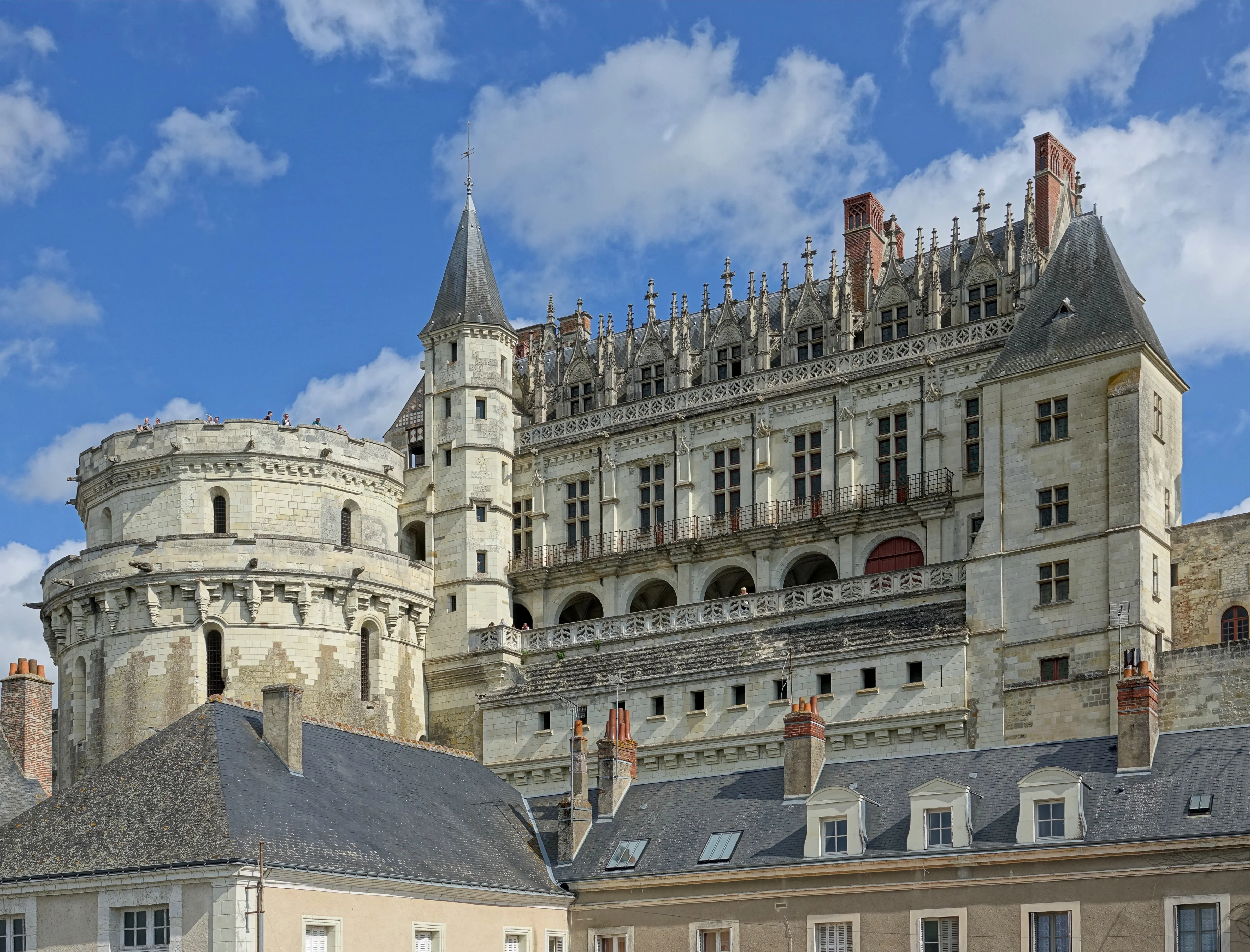
The French Revolution transformed ownership, symbolism, and function across the Loire. Some estates were damaged, repurposed, or stripped of emblems tied to aristocratic privilege, while others survived through adaptation, local protection, or changing administrative roles. The fate of each site depended on politics, geography, and the communities around it.
What emerged over time was a new relationship between castles and the nation: from private seats of power to shared cultural assets. This shift did not happen instantly. It involved legal change, restoration campaigns, historical scholarship, and tourism development across the nineteenth and twentieth centuries. The result is the Loire experience visitors know now, where formerly exclusive spaces can be explored as part of a broader collective memory.
Railways, tourism, and changing access
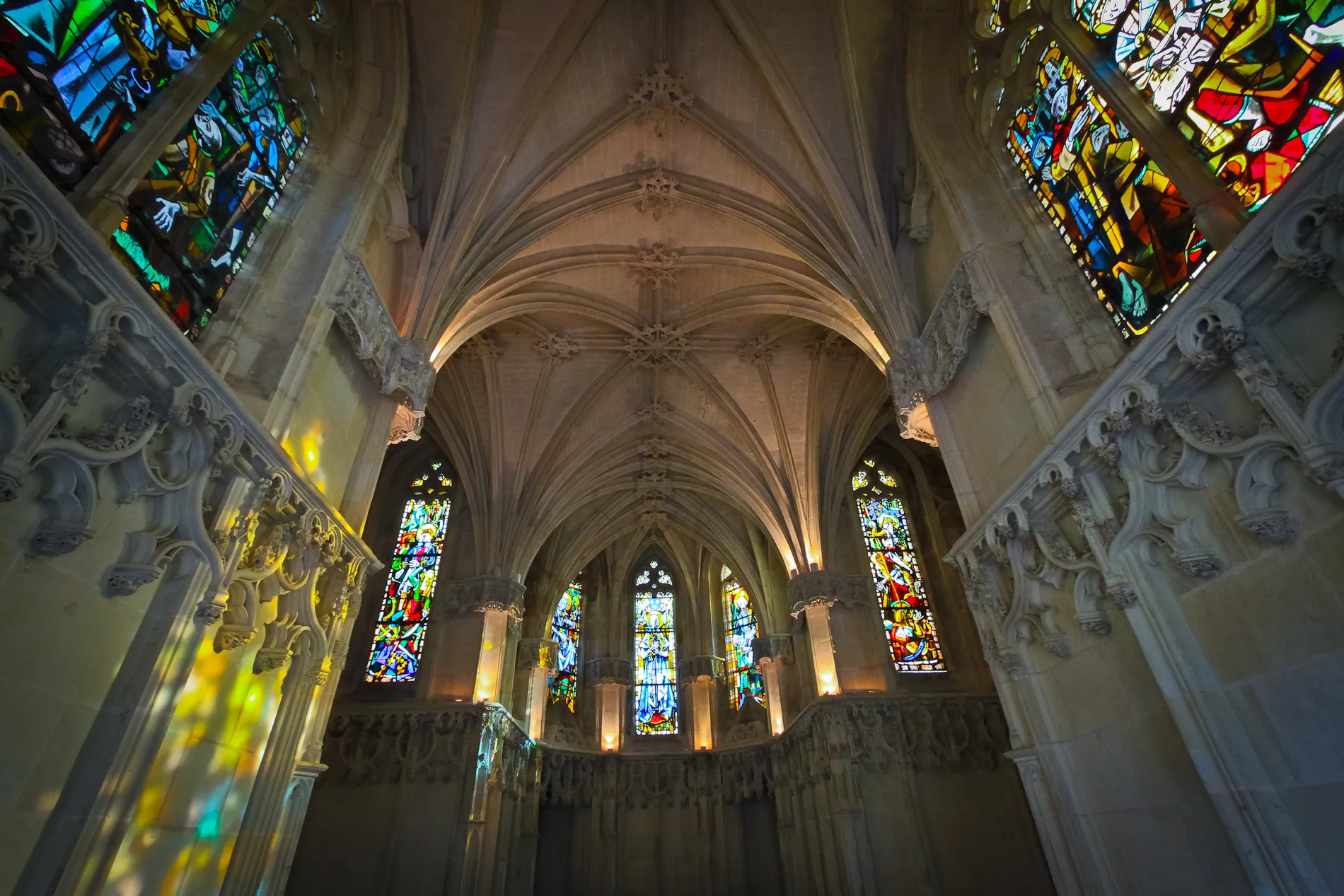
Modern access reshaped the valley as deeply as any architectural movement. Rail links connected Paris and regional towns, making castle visits possible for wider audiences. Later, improved roads, local buses, cycling routes, and organized tours diversified who could visit and how they could travel. What was once the domain of courts and elites gradually became part of public cultural life.
Today, this accessibility creates both opportunity and responsibility. More visitors can experience the Loire's heritage, but crowd management and conservation require careful planning. Choosing timed entries, shoulder-season travel, or thoughtfully paced itineraries helps protect fragile interiors and gardens while preserving the quality of the visit for everyone.
Local food, wine, and seasonal traditions

The Loire's cultural identity is inseparable from its table. Regional markets, goat cheeses, river fish traditions, orchard products, and vineyard culture create a daily life that complements castle history rather than merely surrounding it. Seasonal rhythms are still visible in menus, village festivals, and harvest periods, offering visitors a tangible connection to landscape and labor.
Pairing a castle itinerary with local gastronomy deepens the experience. A simple lunch in a town square, a tasting in a family-run cellar, or an evening walk along the river can reveal as much about the region as any grand salon. In the Loire, heritage is lived as much as displayed.
Planning routes between major chateaux

Because the Loire is spread across multiple towns and river corridors, route planning matters. Rather than trying to do everything, most travelers enjoy the region more by choosing a clear theme: monumental architecture, Renaissance court life, gardens and design, or a balanced mix of icons and quieter stops. Good planning protects your energy and leaves space for discovery.
A practical strategy is to combine two major castles with one flexible element such as a market visit, a cellar stop, or a riverside walk. This structure gives the day momentum without turning it into a race. Whether you travel independently or with a guide, thoughtful pacing is the key to transforming logistics into enjoyment.
Conservation in the modern era
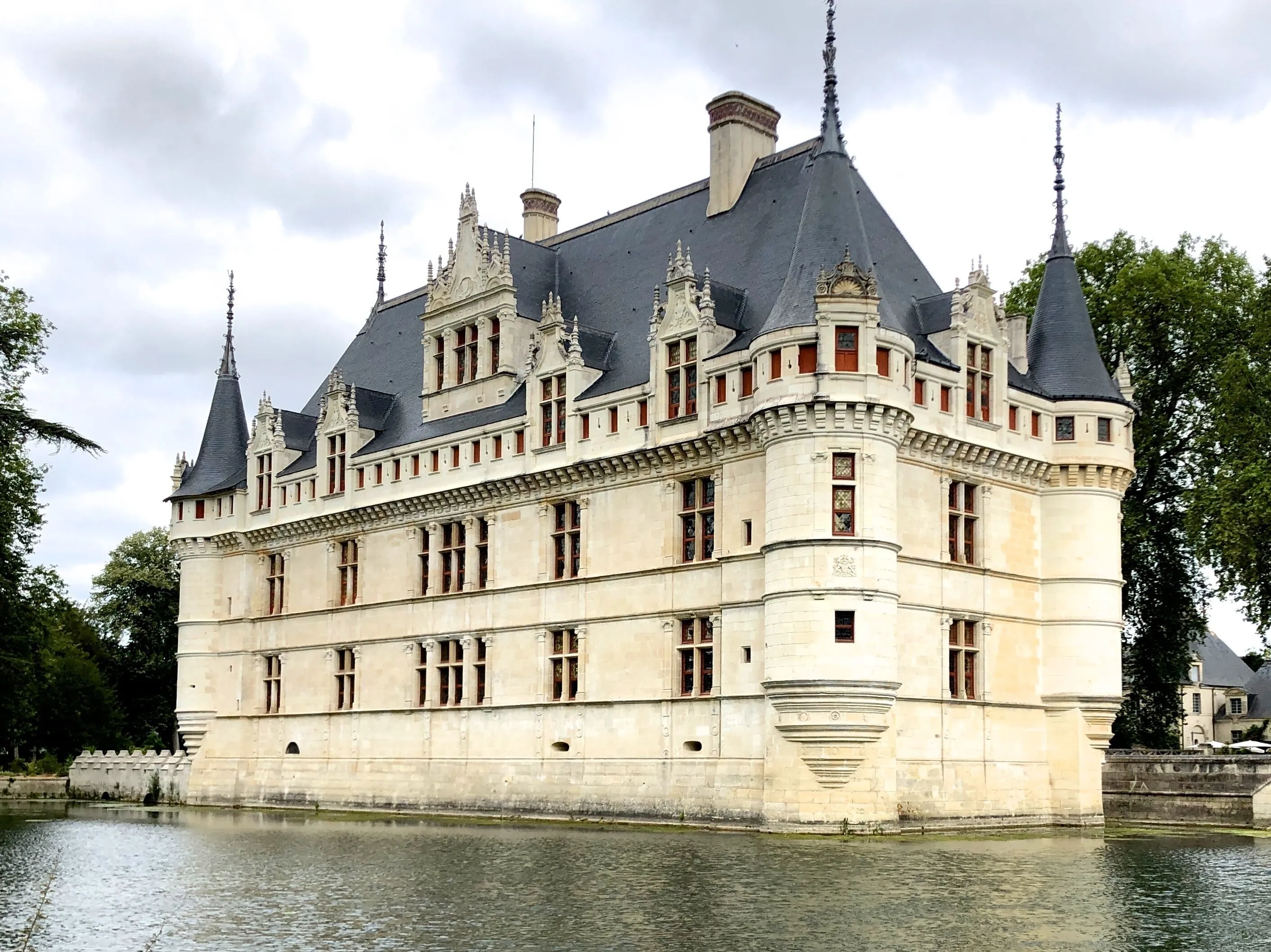
Preserving Loire heritage requires constant, highly specialized effort. Stone facades weather over time, wooden structures need careful treatment, and gardens demand long-term horticultural knowledge. Conservation teams balance authenticity, safety, research, and visitor access, often working in phases that can affect what is open on any given day.
Visitors play a direct role in this ecosystem. Entry fees, responsible behavior, and support for official institutions help fund restoration and interpretation for future generations. Seeing scaffolding or restricted rooms is not a disappointment. It is often evidence that heritage is being actively protected, not passively admired.
Beyond the icons: villages and side trips
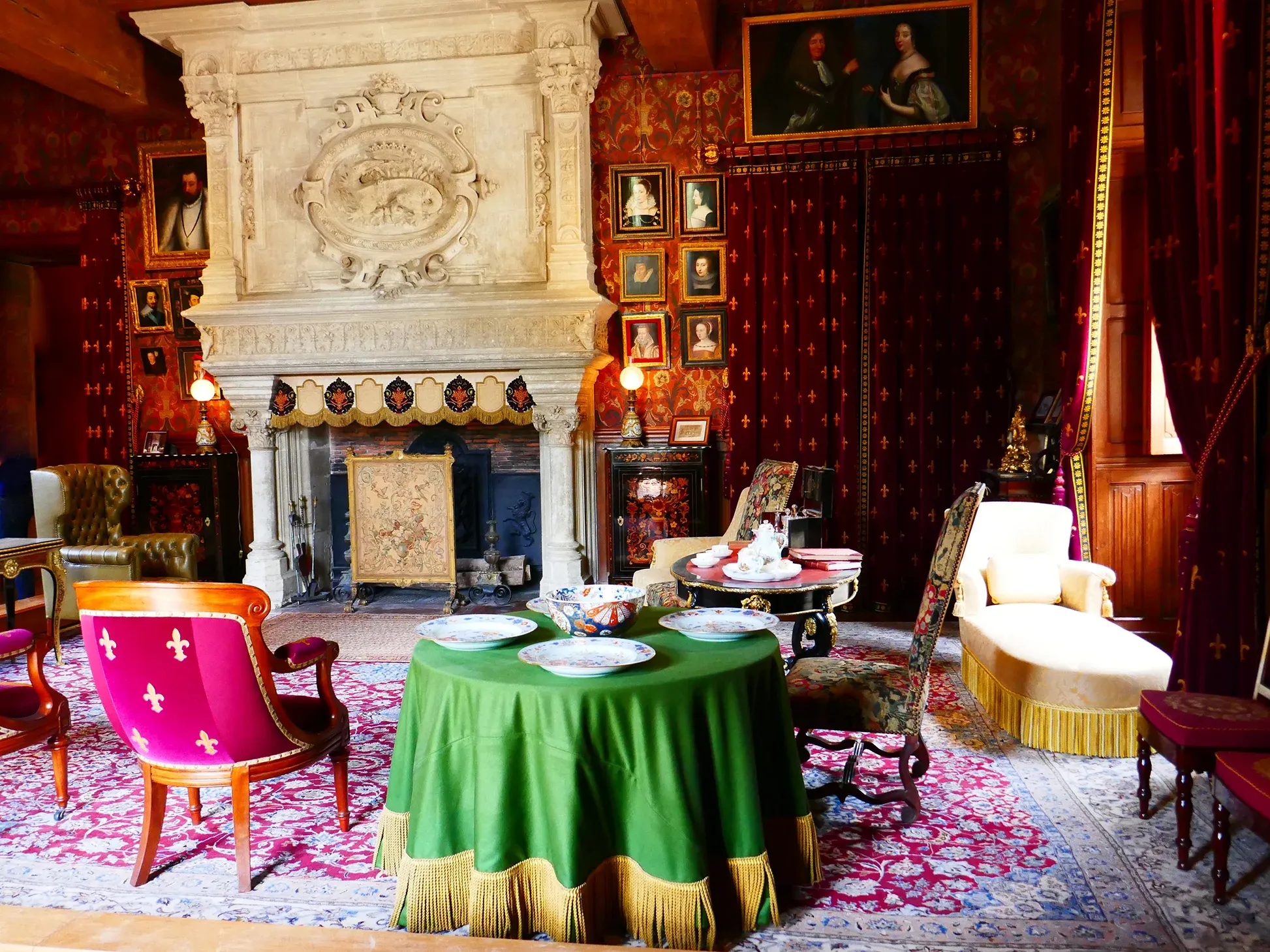
While Chambord and Chenonceau are deservedly famous, some of the Loire's most memorable moments happen between headline sites. Smaller castles, troglodyte areas, vineyard hamlets, and riverside viewpoints add intimacy and surprise to the day. These places often feel less formal and reveal how regional history continues in ordinary settings.
Adding even one side trip can rebalance your itinerary. After major interiors, a village stroll, a local bakery stop, or a short bike segment along the river can make the experience feel personal and grounded. The Loire rewards curiosity, not just completion.
Why the Loire still feels timeless
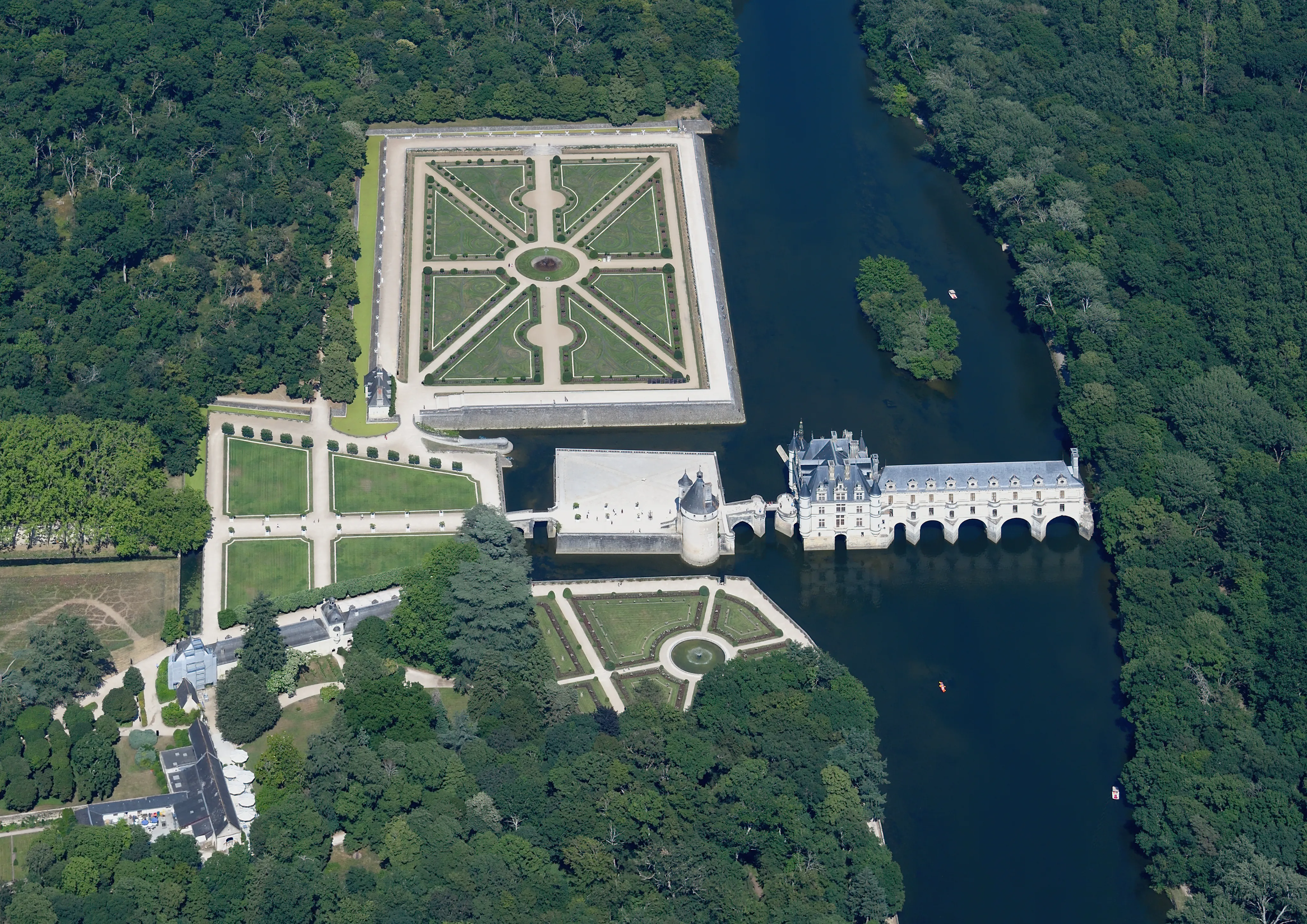
On paper, the Loire can look like a sequence of monuments. In person, it feels like a coherent world where architecture, landscape, and memory remain in active conversation. You move from fortress silhouettes to Renaissance ornament, from formal gardens to lived-in towns, and each transition adds context to the last.
That is why a Loire journey stays with people long after the trip ends. The castles are impressive, of course, but the deeper impression comes from continuity: centuries of adaptation, beauty shaped by power, and everyday life unfolding in the shadow of extraordinary stone. In the Loire Valley, history is not only preserved. It is still quietly present in the rhythm of roads, river light, and village hours.
Table of Contents
From river frontier to royal valley
Long before visitors arrived with cameras and guidebooks, the Loire was a strategic artery: a route for trade, military movement, and political control. Early settlements grew around defensible heights and river crossings, and over time fortified sites multiplied across the region. What began as practical strongholds eventually evolved into symbols of legitimacy, because in medieval France, control of territory had to be visible in stone. The valley's geography helped shape this process: broad plains for agriculture, river access for supplies, and natural corridors linking the Atlantic world to inland power centers.
As dynasties changed and kingdoms consolidated, the Loire shifted from borderland to heartland. Nobles and monarchs invested heavily in residences that projected authority while also serving as administrative and social hubs. This gradual transformation explains why the valley holds such architectural variety today: defensive towers beside ceremonial facades, austere walls next to ornamental galleries, and quiet chapels near grand reception halls. The Loire did not become royal overnight. It became royal through centuries of layered decisions, each one leaving traces that visitors can still read in masonry, layout, and landscape.
Early fortresses and feudal landscapes
In the feudal era, castles across the Loire were above all instruments of control. Lords needed watch points, storage, and defensible compounds, and the resulting architecture reflected that necessity: thick walls, narrow openings, and commanding viewpoints over fields and river routes. Communities formed around these fortified sites, creating tightly linked worlds where military presence, agricultural production, and local justice were inseparable.
Even when later renovations softened medieval severity with larger windows and elegant courts, the original logic never fully disappeared. You can still sense it in elevated positions, gate alignments, and surviving towers. Visiting these sites today reveals a useful historical truth: the Loire's beauty was not originally designed for leisure. It emerged from structures built to endure uncertainty, then adapted over generations into settings of ceremony, diplomacy, and refined living.
Renaissance courts and Italian influence
The sixteenth century reshaped the Loire dramatically. French rulers returning from Italian campaigns brought back artists, engineers, and new ideas about proportion, ornament, and domestic comfort. Castles that once prioritized defense began to absorb Renaissance ideals: open staircases, symmetrical wings, classical motifs, and curated perspectives toward gardens or riverbanks. Architecture became conversation, not only protection.
This shift was cultural as much as visual. Courts in the Loire became places where diplomacy, literature, music, and innovation intertwined. Artisans experimented with techniques in stone and wood, while patrons used design to communicate education, prestige, and modernity. For today's visitor, these transformations are especially striking because the old and new coexist in one place. A single walk may move from medieval mass to Renaissance elegance in minutes, making the Loire one of Europe's clearest lessons in architectural transition.
Women patrons and the art of power
One of the Loire's most compelling historical threads is the role of influential women in shaping major chateaux. At sites such as Chenonceau, female patrons did far more than decorate rooms. They commissioned expansions, directed aesthetics, managed estates, and turned architecture into a language of legitimacy and identity. Through them, we see how power in early modern Europe was often negotiated through patronage, hospitality, and spatial control, not only through formal titles.
Their imprint remains visible in gallery lines, garden geometry, floral programs, and the social choreography of reception spaces. Beyond familiar legends, these interventions reveal strategic intelligence: how to project refinement without surrendering authority, how to host alliances while signaling independence. This perspective gives Loire history a richer texture, reminding visitors that castle narratives are not solely stories of kings and battles, but also of vision, diplomacy, and cultural leadership.
Religion, conflict, and political theater
The Loire's splendor developed alongside periods of profound tension. During the French Wars of Religion, alliances shifted rapidly and noble households became political stages where loyalty, belief, and survival were constantly tested. Castles hosted negotiations, sheltered factions, and displayed strategic symbolism through ceremony and architecture. Public rituals, private councils, and carefully managed appearances all mattered.
Walking through these residences today, it is easy to focus on tapestries and decorative ceilings. Yet many rooms once held urgent decisions with national consequences. The region's history is therefore both graceful and dramatic: banquet tables beside military planning, chapel devotion beside court rivalry. Recognizing this duality helps modern travelers read the Loire more honestly, as a place where beauty and political pressure evolved side by side.
Gardens, science, and the Enlightenment spirit
By the seventeenth and eighteenth centuries, many Loire estates expanded their focus from fortification and dynastic display to curated landscapes, scientific curiosity, and agricultural improvement. Gardens became open-air statements of order and intellect, where geometry, botany, and perspective expressed new ideas about reason and stewardship. Estates were not static monuments. They were managed systems with economic, social, and cultural ambitions.
This period also enriched the region's sensory life. Kitchen gardens, orchards, and vineyards tied elite households to local production, while interior design increasingly emphasized comfort and sociability. The Loire that visitors enjoy today owes much to this era of refinement: not only in facades, but in the practical elegance of pathways, terraces, and cultivated horizons that still frame many castle visits.
Revolution, memory, and survival
The French Revolution transformed ownership, symbolism, and function across the Loire. Some estates were damaged, repurposed, or stripped of emblems tied to aristocratic privilege, while others survived through adaptation, local protection, or changing administrative roles. The fate of each site depended on politics, geography, and the communities around it.
What emerged over time was a new relationship between castles and the nation: from private seats of power to shared cultural assets. This shift did not happen instantly. It involved legal change, restoration campaigns, historical scholarship, and tourism development across the nineteenth and twentieth centuries. The result is the Loire experience visitors know now, where formerly exclusive spaces can be explored as part of a broader collective memory.
Railways, tourism, and changing access
Modern access reshaped the valley as deeply as any architectural movement. Rail links connected Paris and regional towns, making castle visits possible for wider audiences. Later, improved roads, local buses, cycling routes, and organized tours diversified who could visit and how they could travel. What was once the domain of courts and elites gradually became part of public cultural life.
Today, this accessibility creates both opportunity and responsibility. More visitors can experience the Loire's heritage, but crowd management and conservation require careful planning. Choosing timed entries, shoulder-season travel, or thoughtfully paced itineraries helps protect fragile interiors and gardens while preserving the quality of the visit for everyone.
Local food, wine, and seasonal traditions
The Loire's cultural identity is inseparable from its table. Regional markets, goat cheeses, river fish traditions, orchard products, and vineyard culture create a daily life that complements castle history rather than merely surrounding it. Seasonal rhythms are still visible in menus, village festivals, and harvest periods, offering visitors a tangible connection to landscape and labor.
Pairing a castle itinerary with local gastronomy deepens the experience. A simple lunch in a town square, a tasting in a family-run cellar, or an evening walk along the river can reveal as much about the region as any grand salon. In the Loire, heritage is lived as much as displayed.
Planning routes between major chateaux
Because the Loire is spread across multiple towns and river corridors, route planning matters. Rather than trying to do everything, most travelers enjoy the region more by choosing a clear theme: monumental architecture, Renaissance court life, gardens and design, or a balanced mix of icons and quieter stops. Good planning protects your energy and leaves space for discovery.
A practical strategy is to combine two major castles with one flexible element such as a market visit, a cellar stop, or a riverside walk. This structure gives the day momentum without turning it into a race. Whether you travel independently or with a guide, thoughtful pacing is the key to transforming logistics into enjoyment.
Conservation in the modern era
Preserving Loire heritage requires constant, highly specialized effort. Stone facades weather over time, wooden structures need careful treatment, and gardens demand long-term horticultural knowledge. Conservation teams balance authenticity, safety, research, and visitor access, often working in phases that can affect what is open on any given day.
Visitors play a direct role in this ecosystem. Entry fees, responsible behavior, and support for official institutions help fund restoration and interpretation for future generations. Seeing scaffolding or restricted rooms is not a disappointment. It is often evidence that heritage is being actively protected, not passively admired.
Beyond the icons: villages and side trips
While Chambord and Chenonceau are deservedly famous, some of the Loire's most memorable moments happen between headline sites. Smaller castles, troglodyte areas, vineyard hamlets, and riverside viewpoints add intimacy and surprise to the day. These places often feel less formal and reveal how regional history continues in ordinary settings.
Adding even one side trip can rebalance your itinerary. After major interiors, a village stroll, a local bakery stop, or a short bike segment along the river can make the experience feel personal and grounded. The Loire rewards curiosity, not just completion.
Why the Loire still feels timeless
On paper, the Loire can look like a sequence of monuments. In person, it feels like a coherent world where architecture, landscape, and memory remain in active conversation. You move from fortress silhouettes to Renaissance ornament, from formal gardens to lived-in towns, and each transition adds context to the last.
That is why a Loire journey stays with people long after the trip ends. The castles are impressive, of course, but the deeper impression comes from continuity: centuries of adaptation, beauty shaped by power, and everyday life unfolding in the shadow of extraordinary stone. In the Loire Valley, history is not only preserved. It is still quietly present in the rhythm of roads, river light, and village hours.